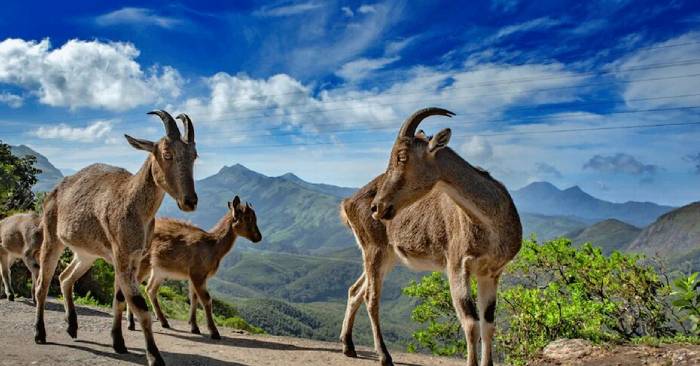
Nature lovers and wildlife enthusiasts have a reason to rejoice as Munnar’s famous Eravikulam National Park is reopening its doors to visitors on April 1. This breathtaking park, known for its rolling grasslands, neelakurinji flowers, and its most iconic resident—the endangered Nilgiri Tahr, had been temporarily closed for the annual calving season that occurs between February and March. The closure ensures a safe and undisturbed environment for newborn Tahr calves.
Tourists visiting after the reopening will have a special treat, as they can spot many newborn Nilgiri Tahr babies in their natural habitat. Following the calving season, the park authorities will conduct a census after April 20 to determine the latest population count. The previous year’s census recorded 825 Tahrs, including 144 newborns.


Eco-Friendly Tourism in Eravikulam National Park
Eravikulam National Park holds the distinction of being Kerala’s first fully disabled-friendly ecotourism centre and a carbon-negative park, making it an exemplary model for sustainable tourism. The park operates daily from 8:00 AM to 4:00 PM. The summer months of April and May are ideal for wildlife sightings, but visitors should note that seasonal restrictions will be in place during the monsoon period. For the best experience, it is advisable to visit early in the morning to avoid large crowds.
How to Book Tickets for Eravikulam National Park?
Tickets can be booked online via the official website, where visitors need to select their date, number of people, and make an online payment. The entry fee is ₹200 for Indian nationals and ₹500 for foreign tourists. Additionally, visitors can reserve tickets in advance by paying a ₹50 fee at Munnar’s Information Centre Reservation Counter between 9:00 AM and 3:00 PM. Simply presenting the e-ticket at the park’s entry gate grants access to this spectacular wildlife sanctuary.
For those planning a trip to Munnar, Eravikulam National Park offers an unforgettable experience, combining scenic beauty, rich biodiversity, and a commitment to conservation and sustainable tourism.