
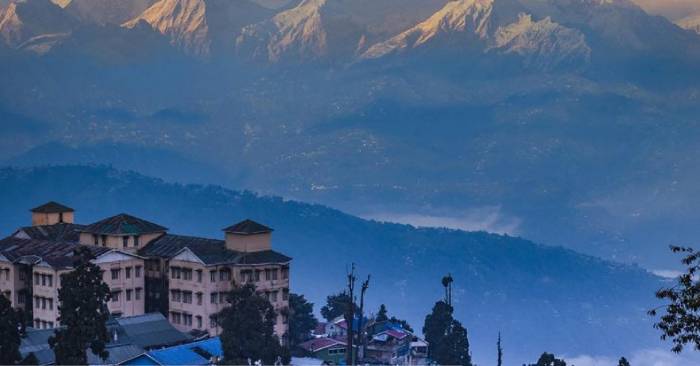
Known as the ‘Queen of the Himalayas,’ Darjeeling has long charmed tourists from around the world. Nestled in the northern tip of West Bengal, this picturesque town perched on the Himalayan foothills once served as the summer capital for British colonial rulers. The name Darjeeling derives from two Tibetan words: ‘Dorge’ meaning ‘thunderbolt’ and ‘Ling’ meaning ‘place,’ thus translating to ‘Land of Thunderbolt.’
Location and Climate


At an elevation of 2042 meters (6700 feet) above sea level, Darjeeling enjoys a pleasant climate year-round. This culturally rich area blends the traditions of the North-Eastern states, with the predominant language being Nepalese, although Hindi and English are also widely spoken.
How to Get There
To ensure a smooth journey and affordable fares, book your travel well in advance—ideally two months ahead. The nearest airport is Bagdogra, operated by the Indian Air Force, and the closest railway station is New Jalpaiguri (NJP). Siliguri, the nearby city, is just 16 km from Bagdogra. Direct flights from Bengaluru to Bagdogra take about two hours, offering breathtaking views of the Himalayas. Buses to Darjeeling are available from the Tenzing Norgay Bus Stand in Siliguri (Rs 100 to Rs 150), and cabs can be hired from the airport or railway stations (Rs 1000 and up).
The Toy Train and Darjeeling Himalayan Railway
A must-do is the historic toy train ride, a charming relic with a legacy exceeding 125 years. Recognized as a World Heritage site by UNESCO in 1999, the 88 km railway line built by the British connects New Jalpaiguri to Darjeeling. The train travels on a narrow gauge track, ascending from 100 meters above sea level at NJP to 2200 meters at Darjeeling. For a full experience, enjoy a 7-hour trip from NJP or a shorter 2-hour round-trip from Darjeeling to Ghum. Daily rides start at 7:40 am with the last trip at 4:20 pm. You can choose between diesel engines (Rs 1000/person) or vintage steam engines (Rs 1500/person). The journey includes scenic stops at Ghum Railway Station and Batasia Loop.
Ghum Railway Station and Batasia Loop
Ghum, the highest railway station in India at 2258 meters, features the Darjeeling Hill Railway (DHR) museum showcasing historical steam engines. Batasia Loop offers a panoramic view of Mount Kanchenjunga and Darjeeling town, with a 10-minute stop where you can buy local curios and visit the war memorial dedicated to the Gorgha soldiers.
Tiger Hill: Sunrise Spectacle
Witnessing sunrise at Tiger Hill is a breathtaking experience. The first rays of sunlight illuminate the snow-capped peaks of the Himalayas, including Mount Kanchenjunga and, on clear days, Mount Everest. Located 2590 meters above sea level, it’s a 30-minute drive from Darjeeling followed by a 500-meter walk to the viewpoint. It’s best to start early, around 3:30 am, to secure a good spot. Cabs to Tiger Hill are available daily.
Monasteries: Cultural and Spiritual Hubs
Darjeeling boasts several Tibetan Buddhist monasteries, each rich in color and tradition. Prominent ones include Ghoom Monastery, Bhutia Busty Monastery, Dali Monastery, and Samten Choeling Monastery. At Ghoom, you’ll find the Maitreya Buddha statue and vibrant depictions of Buddhist art.
Tea and Cuisine
Don’t miss visiting Darjeeling’s renowned tea gardens, known for some of the finest Indian teas. Local cuisine reflects a blend of Nepali and Naga influences. Popular dining spots include ‘Hotel Kathmandu Kitchen’ on Mall Road for Nepali dishes and ‘Kunga Restaurant’ near Chowk Bazaar or ‘The Revolver Restaurant’ near Gandhi Road for Naga cuisine.
Best Time to Visit
The optimal times to visit Darjeeling are from October to December (autumn) and from February to April (spring). Winter temperatures can drop to 5 degrees Celsius, while summer temperatures range from 15 to 20 degrees Celsius.