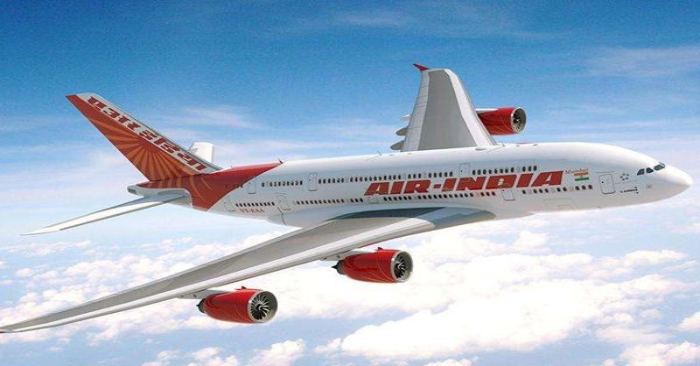
Air India is poised to benefit significantly from the ongoing trade conflict between the United States and China, as it looks to acquire Boeing aircraft that were originally meant for Chinese carriers but remain undelivered. According to Bloomberg, the Indian airline is actively exploring options to purchase Boeing 737 Max jets that have been left idle after Chinese regulators instructed domestic airlines to halt the intake of US-manufactured aircraft. This directive comes in the wake of tit-for-tat tariffs between the two global powers, with the US imposing duties of up to 145% on Chinese imports, prompting China to respond with tariffs of up to 125% on US goods.
This isn’t the first time Air India has turned geopolitical setbacks into strategic advantages. By March 2025, it had already inducted 41 Boeing 737 Max jets initially built for Chinese airlines but grounded following the global suspension of the aircraft model in 2019. With Beijing showing reluctance towards further Boeing purchases, Air India now sees a new opportunity to not only secure available aircraft but also take over production slots originally reserved for Chinese clients.


While this move could significantly boost the airline’s capacity—particularly for its low-cost subsidiary, Air India Express—it may also bring logistical hurdles. Aircraft intended for Chinese airlines come with specific configurations that may require costly and time-consuming modifications to meet Air India’s standards.
This scenario also highlights the broader implications of international politics on commercial aviation. While Boeing attempts to reassign its aircraft, the strained US-China relationship could diminish its foothold in the Chinese market, creating a more favorable climate for European rival Airbus. For Air India, however, this presents a timely opportunity to expand and modernize its fleet as part of its larger transformation plan.