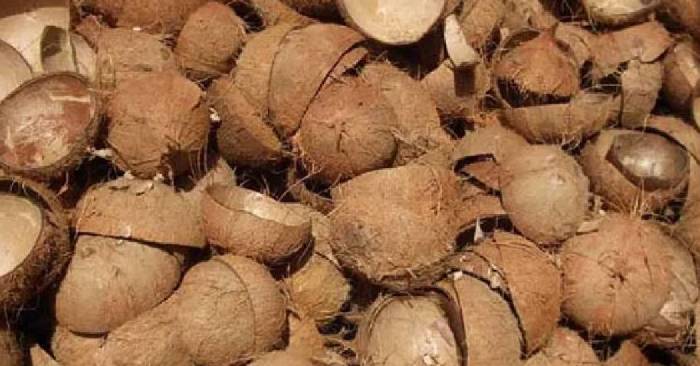
A coconut shell, or chiratta as it is known locally, is no longer just agricultural waste. It has turned into a valuable commodity, with its price almost tripling in the past three months. Traditionally considered a nuisance after coconuts were harvested, chiratta was often burned, dumped, or left to decay. But in a surprising turn of events, this overlooked byproduct is now fetching premium rates in both domestic and international markets.
Back in January and February of 2025, the average price of one kilogram of coconut husk hovered around ₹8–₹9. Today, that same kilo sells for ₹27—and with transport expenses added, the price can reach up to ₹31. This sharp increase in value has drawn attention from collection centers and exporters, as bulk quantities are now being sourced and sent abroad. Countries like Italy, Germany, and China are currently major importers of coconut husk from India.


So, why this sudden demand for chiratta? The husk has a variety of uses: it’s widely used in cooking, especially in curries, and for water purification. Additionally, it serves as a raw material for producing household items, handicrafts, and eco-friendly decorative pieces.
Interestingly, the spike in husk prices is mirrored by a similar rise in the value of coconuts themselves. As a result, large volumes of coconuts are now being transported from Kerala to processing units in Tamil Nadu and Karnataka. This coconut boom is bringing renewed hope to farmers and small-scale traders alike.