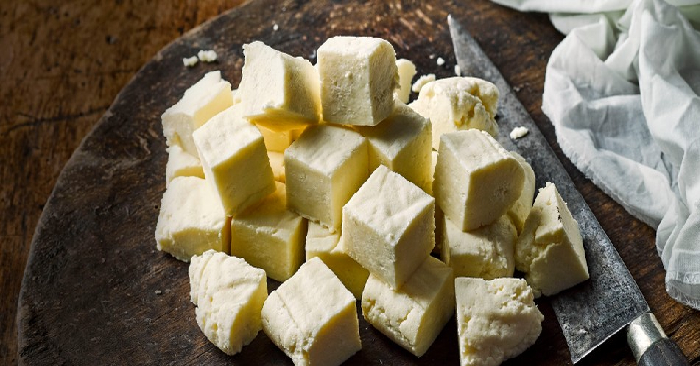
Analogue paneer, a dairy alternative, is often used to imitate traditional paneer but is created from non-dairy components and artificial additives. Recent discussions on social media, particularly after Zomato faced criticism for allegedly selling “fake” analogue paneer, underscore the importance of recognizing adulterated dairy products to guarantee quality and safety. As food adulteration becomes increasingly concerning in India, particularly with dairy items, knowing how to differentiate genuine paneer from its imitation is essential.
According to the Food Safety and Standards Authority of India (FSSAI), “analogue” refers to products that replace some or all of the milk constituents with non-dairy ingredients, resulting in a product that resembles milk or dairy items in taste and appearance. Typically made from vegetable oils, starch, and milk solids, analogue paneer lacks the nutritional benefits of real paneer, which is rich in protein and calcium.


To effectively identify analogue paneer, consider these five methods:
Taste and Texture: Genuine paneer has a firm texture and a fresh, milky aroma. Regular consumers can often discern fake paneer through its inferior taste and texture.
Package Inspection: Always check the product label for terms like “analogue” or “imitation.” FSSAI mandates that such labels be clearly displayed for non-authentic products.
Heat Test: When heated, authentic paneer develops a characteristic brown char while maintaining its structure, unlike synthetic variants that crumble and melt quickly.
Iodine Test: Boil a piece of paneer and add a few drops of iodine tincture. A blue coloration indicates artificial components, confirming the paneer’s imitation status.
Toor Dal Water Test: After boiling the paneer, cool the water and mix in some toor dal. If the water turns light red, it indicates potential contamination; unchanged water suggests that the paneer is likely safe to eat.
By employing these techniques, consumers can better ensure they are purchasing genuine paneer and safeguarding their health from potential adulteration.