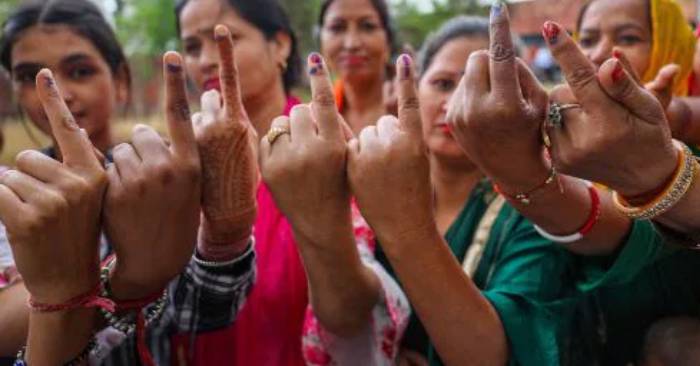
Today, Sri Lanka is witnessing a significant parliamentary election that holds immense importance for President Anura Kumara Dissanayake and his newly formed Marxist-leaning party, National People’s Power (NPP). As voters head to the polls, the outcomes are eagerly anticipated and expected to be announced by Friday. This election is critical for President Dissanayake, who seeks to strengthen his party’s influence and fulfill his commitments to revitalize the nation’s struggling economy.
President Dissanayake emerged victorious in the presidential election on September 21, a win that reflected the electorate’s growing dissatisfaction with the country’s traditional political parties that have governed Sri Lanka since its independence from British rule in 1948. However, Dissanayake did not secure more than 50 percent of the vote, raising concerns about his party’s potential performance in today’s parliamentary elections.


To gain control of the 225-member Parliament, the NPP must significantly increase its vote share from the 42 percent it garnered in the presidential race. Achieving a minimum of 113 seats is essential for the party to lead the legislative body effectively. This task is challenging, given that many NPP candidates are political newcomers competing against seasoned politicians from established parties.
The election features a total of 8,821 candidates vying for 196 seats through Sri Lanka’s proportional representative electoral system, which allocates parliamentary seats based on the percentage of votes each party receives in their respective districts. Additionally, 29 national list seats are distributed to parties and independent groups proportionally based on their overall vote share across the country.
The primary competitor for the NPP is Sajith Premadasa’s Samagi Jana Balawegaya (United People’s Power) party, which secured the second position in the presidential election. The upcoming parliamentary elections are taking place against the backdrop of Sri Lanka’s severe economic crisis. The island nation is grappling with the aftermath of declaring bankruptcy in 2022 after defaulting on its external debt, making this election a decisive moment for its future governance and economic recovery.
As Sri Lankans cast their votes today, the results will not only determine the composition of the Parliament but also shape the country’s approach to overcoming its ongoing financial challenges. The NPP’s ability to rally support and secure a majority will be crucial in driving forward their agenda for economic revival and political stability.