The Indian government is addressing the challenges faced by farmers, particularly in Maharashtra, through a series of reforms aimed at improving crop prices, providing financial aid, and boosting infrastructure.
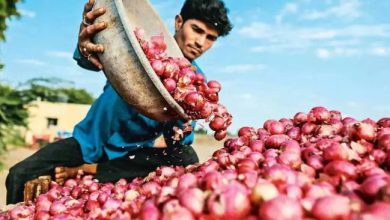
Recognizing the importance of agriculture to Maharashtra’s economy, the government has taken proactive steps to tackle issues like climate change, fluctuating global markets, and water scarcity. One of the key actions includes revising minimum base prices for crucial crops such as onions, soybeans, and cotton. This adjustment ensures that farmers are compensated fairly despite market volatility and environmental challenges.


To support farmers more effectively, the government has introduced specific programs like the Bhavantar Yojana and a financial assistance package of Rs 5,000 per hectare for soybean growers. In addition, NAFED’s record purchase of soybeans and subsidies for cashew farmers in Konkan are part of broader efforts to stabilize and uplift the agricultural sector.
Strengthening Agriculture Through Infrastructure and Support
Maharashtra’s farmers also benefit from government initiatives focused on improving farming conditions and infrastructure. The provision of free agricultural electricity to 44 lakh farmers and the cancellation of their electricity dues are major steps in reducing the financial burden on farmers. The Chief Minister’s Solar Agriculture Scheme, which plans to generate three megawatts of solar power, ensures free daytime electricity for farmers, reducing the dependence on night-time irrigation and promoting safer farming practices.
Water scarcity, a persistent problem in Maharashtra, is being addressed through significant water management projects. River linking programs and the Marathwada Water Grid aim to enhance water availability for irrigation in drought-prone areas, offering a long-term solution to this critical issue.
Direct Financial Aid and Infrastructure Growth
The Pradhan Mantri Kisan Samman Nidhi Yojana, which provides Rs 1,000 monthly directly to farmers’ bank accounts, serves as a financial safety net. Additional support for those affected by unseasonal rains further demonstrates the government’s commitment to farmer welfare.
Infrastructural projects, such as the Samriddhi Highway and the creation of logistics hubs, aim to improve the transportation of agricultural produce and boost export opportunities by expanding port access. These developments highlight a comprehensive government strategy to modernize and revitalize Maharashtra’s agricultural sector.
By offering targeted financial aid, improving infrastructure, and implementing strategic policy changes, the government showcases its commitment to ensuring the economic well-being of farmers and promoting sustainable agriculture in Maharashtra. This multifaceted approach addresses the complexities of modern farming and emphasizes the government’s dedication to securing a prosperous future for the state’s farmers.