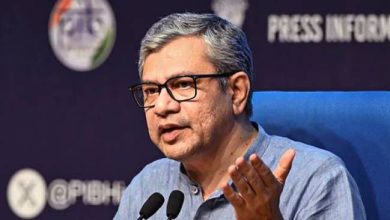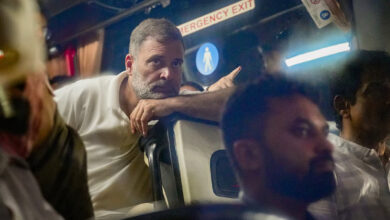
New Delhi: India’s much-anticipated 16th census, initially slated for 2021 but delayed due to the COVID-19 pandemic, is scheduled to start in 2025, with a targeted completion by 2026. However, a key point of contention remains unresolved: whether the census will include comprehensive caste data. The decision on including caste-based data is expected from Prime Minister Narendra Modi, potentially after the Maharashtra state election results on November 23. This issue has sparked strong opinions from both opposition leaders, like Rahul Gandhi, and some of the National Democratic Alliance’s own allies, such as the Janata Dal United (JDU) and Lok Janshakti Party (LJP), who argue that caste data is essential to inform policies for social equity and fair representation.
The Rashtriya Swayamsevak Sangh (RSS) has also voiced support for caste-based data, reflecting broader demands within sections of the government. While the census will continue to record information on Scheduled Castes (SC) and Scheduled Tribes (ST) as it has in previous rounds, the absence of an OBC-specific category may leave the Other Backward Classes uncounted, affecting the development of policies aimed at social justice and equity.


This decennial exercise not only updates the National Population Register (NPR) but also provides crucial data on population size, demographics, and household details. The 2025 census will further influence national policy directions, such as the planned 33 percent women’s reservation in Parliament and state legislatures by 2029, as well as the redrawing of reserved constituencies in 2026. The previous census in 2011 recorded India’s population at 1.21 billion with a 940:1000 female-to-male ratio, and reported religious demographics, including 79.8% Hindu, 14.23% Muslim, and 2.30% Christian populations.