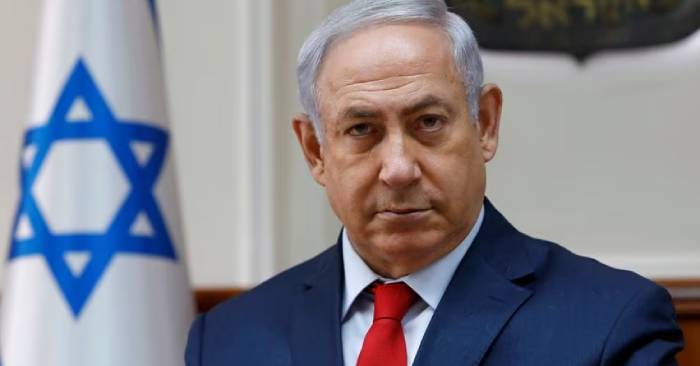
Jerusalem: Israeli Prime Minister Benjamin Netanyahu voiced concerns on Monday about Iran’s nuclear ambitions, claiming that Tehran is working to amass a “stockpile” of nuclear bombs specifically aimed at threatening Israel. This statement comes shortly after Israeli airstrikes targeted military installations within Iran. Addressing the Israeli parliament as the winter session commenced, Netanyahu stated that Iran’s plans include equipping long-range and intercontinental missiles with nuclear warheads, potentially positioning Iran as a global threat.
In his speech, Netanyahu emphasized the urgent security risks posed by Iran’s nuclear development, warning that these aspirations not only endanger Israel but also hold serious implications for international stability. He also expressed a strong desire to pursue peaceful relations with Arab nations, citing the Abraham Accords—a series of normalization agreements signed between Israel and several Arab countries—as a foundation for further diplomatic efforts. Netanyahu affirmed his commitment to broadening these peace accords, aiming to foster greater cooperation across the Middle East.


Netanyahu’s dual message of caution and diplomacy reflects Israel’s complex regional strategy: safeguarding against perceived existential threats while also seeking peace through strengthened ties with Arab neighbors. His administration views alliances in the Middle East, as seen with the Abraham Accords, as vital in counterbalancing regional adversaries like Iran. As tensions around Iran’s nuclear activities persist, Netanyahu’s government may continue its pursuit of both security measures and peace agreements to foster stability within the region. The path forward, however, will likely require navigating diplomatic challenges alongside a vigilant approach to national defense.