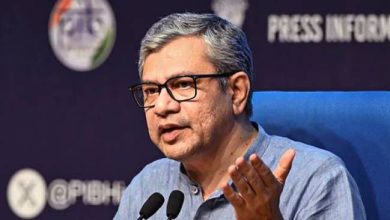
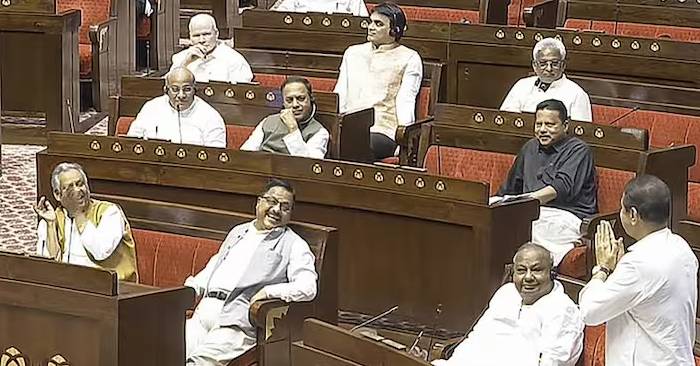
The Indian Parliament has officially passed the Waqf (Amendment) Bill, 2025, following intense debates in both houses. The Rajya Sabha approved the Bill after a 17-hour session, with 128 MPs voting in favor and 95 against, while all amendments proposed by the opposition were rejected. Earlier, the Lok Sabha had cleared the Bill with 288 votes supporting it and 232 opposing. During discussions, Minority Affairs Minister Kiren Rijiju defended the amendments, stating that they were based on inputs from various stakeholders. He emphasized that the Waqf Board is a statutory body and insisted that all government organizations should remain secular, justifying the inclusion of non-Muslim members in Waqf Boards. However, he assured that their number would be limited to four out of the total 22 members. Rijiju also accused the Congress and opposition parties of misleading the Muslim community and instilling unnecessary fear regarding the proposed changes.
The amendments aim to enhance the efficiency and transparency of Waqf institutions by strengthening Waqf tribunals, introducing a structured selection process, and ensuring fixed tenures for board members. Additionally, the mandatory contribution from Waqf institutions to Waqf boards has been reduced from 7% to 5%, easing financial obligations. The Bill also introduces annual audits for institutions earning over ₹1 lakh, with auditors appointed by the state governments. To modernize property management, a centralized portal will be developed, ensuring automated tracking and improved governance. Moreover, the Bill restores the pre-2013 rules, stating that only practising Muslims for at least five years may dedicate property to the Waqf. To safeguard women’s rights, the amendments mandate that women must receive their inheritance before any Waqf dedication, with special provisions to protect the rights of widows, divorced women, and orphans.


The Bill also addresses disputes related to government properties claimed as Waqf by requiring that investigations be conducted by an officer above the rank of Collector. Another notable provision includes the addition of non-Muslim members to both central and state Waqf boards, aiming to foster inclusivity in Waqf governance. Rijiju, in his speech, pointed out that the Muslim community continues to face economic hardships despite decades of rule by the Congress and other opposition parties. He argued that the Modi-led government is committed to uplifting the community, addressing their socioeconomic issues more effectively. With these reforms, the government aims to streamline Waqf administration, reduce conflicts, and promote accountability, ensuring that Waqf institutions operate with greater transparency and inclusiveness.