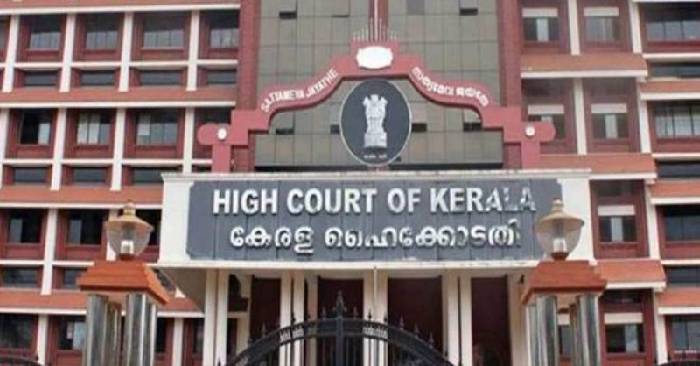
The Kerala High Court has reiterated that temples and institutions under the Travancore Devaswom Board should not be used for political activities. Emphasizing the provisions of the 1988 Act, which prohibits religious institutions from being misused for non-religious purposes, the court stated that any violations should result in action against the Temple Advisory Committee’s office bearers. The Division Bench, comprising Justice Anil K. Narendran and Justice S. Muralikrishna, instructed the Devaswom Commissioner to release a general circular reinforcing these directives. The court’s observations came in response to a petition concerning the performance of a revolutionary song during the Kadakkal Devi Temple festival in Kollam. A report submitted by the Devaswom Chief Vigilance and Security Officer mentioned that the Marxist Party symbol and DYFI logo were displayed on the LED screen on the festival stage. The court also questioned whether individuals dancing in front of the stage with bottles on their heads could be considered true devotees, while criticizing the failure of the police to register a case.
The petition, filed by Advocate Vishnu Sunil Pandalam, highlighted violations of temple traditions during a musical performance by Aloshi on March 10 as part of the Kadakkal festival celebrations. In response, the President of the Temple Advisory Committee, S. Vikas, requested additional time to submit a counter-affidavit. Meanwhile, the government sought an extension for the Kadakkal Station House Officer (SHO) to provide an official explanation regarding the alleged violations. The court scheduled the next review of the case for April 10. The issue has sparked debates on the intersection of religion and politics in temple administration, raising concerns about the influence of political parties in religious spaces. The court’s directive is seen as a move to reinforce the sanctity of religious institutions and ensure their operations remain free from political interference.


A related concern raised during the proceedings was how Kadakkal Temple Advisory Committee President S. Vikas, who reportedly had 19 criminal cases against him, was approved for the position. The High Court directed the Devaswom Board to clarify its selection criteria and explain how a person with such a criminal record was appointed to a key administrative role. In response, Vikas’ lawyer stated that only four cases were currently active and that the rest were political in nature or had been resolved. The court is expected to scrutinize the eligibility criteria for temple administrative positions, ensuring that individuals with pending legal cases do not hold authoritative roles in governing religious institutions.