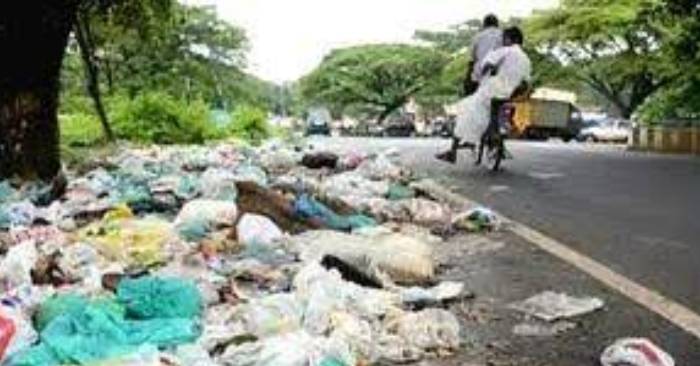
The Kerala government is making significant strides toward achieving a legacy waste-free status by next year. The state is actively working on biomining at 37 legacy waste sites, with the goal of completing this process within the coming months.
Legacy waste, which consists of municipal solid waste accumulated over many years, often on barren land or in landfills, poses substantial environmental challenges. Biomining and bioremediation are key processes employed to address these waste sites. Biomining involves using microorganisms to extract valuable metals from waste, thereby reducing its volume and recovering resources. Bioremediation uses microbes to break down or detoxify hazardous substances, reducing environmental contamination.

To date, Kerala has successfully reclaimed 124 acres of land through these methods, processing approximately 2.17 lakh cubic meters of waste. Notable sites that have been recovered include Kureepuzha in Kollam and Choolpuram in Thrissur’s Guruvayur.
The state has also contracted SMS Ltd. of Nagpur to handle 4.5 lakh metric tons of traditional waste as part of its solid waste management program. This initiative, supported by the World Bank and the Asian Infrastructure Investment Bank, involves clearing 12 waste sites in the first cluster at a cost of Rs 46.35 crore and eight sites in the second cluster at Rs 48.89 crore. Approximately 5.60 lakh cubic meters of waste is expected to be managed across these 20 sites.
Reclaimed materials will be put to productive use: segregated soil and compost will benefit agriculture, while metals, construction materials, and glass will be recycled. Non-processable waste will be used for landfilling, and the remaining waste will serve as fuel in cement factories.