
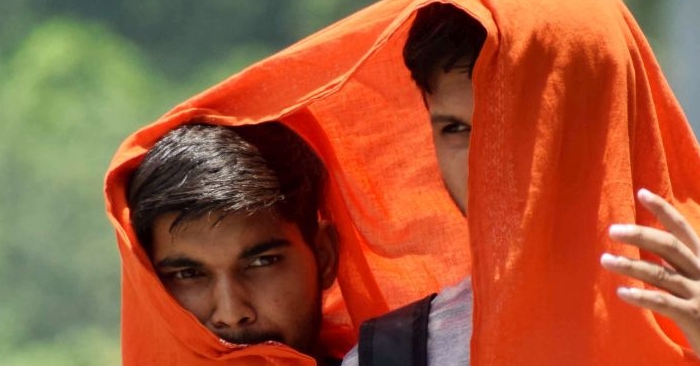
Kochi: Kerala is bracing for a possible heatwave as experts warn of rising temperatures across the state. Typically, a heatwave is declared when temperatures exceed 40°C in the plains and 30°C in hilly regions. On Saturday, Palakkad recorded a scorching 38°C, raising concerns about the extreme heat expected in April and May.
While heatwaves are more commonly associated with northern and central states like Odisha, Bihar, Punjab, Haryana, Delhi, Uttar Pradesh, and Rajasthan, Kerala has been experiencing rising temperatures in recent years. Historically, heatwaves were rare in Kerala and Tamil Nadu, but the highest recorded temperature in Palakkad was 41.9°C in April 2016.


Rising Temperatures Across Kerala
Over the past decade, Kerala has seen a steady increase in temperatures. One of the major contributors to this phenomenon is the dry northeasterly winds that pass through the Palakkad and Punalur gaps in the Western Ghats, intensifying the heat.
Kerala has been experiencing extreme climate changes since 2016, when the state recorded its first heatwave. This was followed by Cyclone Ockhi in 2017 and the devastating floods of 2018.
Temperature Records in Kerala
On February 17, several regions across the state recorded the following temperatures:
- Kannur: 34.3°C
- Karipur: 34.1°C
- Kozhikode: 35.6°C
- Minicoy: 32.2°C
- Thiruvananthapuram: 34.4°C
- Kottayam: 35.6°C
- Palakkad: 35.5°C
- Punalur: 36.4°C
- Vellanikkara: 36.5°C
These temperatures remained unchanged on Sunday, indicating no immediate relief from the heat.
The Role of Climate Change in Kerala’s Heatwave
According to Neetha Gopal, Director of the Thiruvananthapuram Meteorological Centre, the rise in temperatures is directly linked to climate change. Kerala’s proximity to the equator naturally makes it hotter, but climate change has intensified this effect, leading to more frequent and severe heatwaves.
Health Risks of Extreme Heat
With the rising temperatures, health risks are becoming a major concern. Heatwaves can lead to:
- Sunburns and dehydration
- Fatigue and heat exhaustion
- Vomiting and fainting
- Heatstroke, which can be fatal in extreme cases
Although occasional rain could offer temporary relief, no significant rainfall is currently expected in the state. With April and May approaching, authorities are urging residents to take precautions, including staying hydrated and avoiding prolonged sun exposure.
As Kerala prepares for another challenging summer, it is crucial to understand the impact of climate change and take preventive measures to stay safe during the extreme heat.