
Thiruvananthapuram: The Kerala State RTI Commission has issued a stern warning, stating that the loss or misplacement of official files in government offices is a criminal offense under the Public Records Act. This offense carries a potential prison sentence of up to five years, accompanied by fines starting at ₹10,000. The announcement was made by State RTI Commissioner Dr. A. Abdul Hakeem.
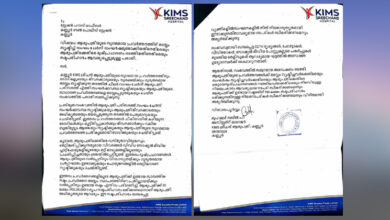
The statement comes in light of the missing file incident reported at the Maniyur Grama Panchayat. Authorities have been directed to locate the missing file within 14 days. Additionally, six officials linked to the case have been summoned for failing to attend prior hearings. The summoned individuals include personnel from the Wayanad District Scheduled Tribes Development Office, the Kozhikode District North Zone Vigilance, the headmaster of Eravannur AUP School, and the SHO of Palakkad Sholayar Police Station.


The Commission emphasized that these officials must appear in person for future proceedings. In another case, the RTI Commission reviewed a complaint against the Neyyattinkara District Education Office for allegedly failing to provide requested information. These developments underline the Commission’s commitment to enforcing transparency and accountability in government offices, warning of serious repercussions for mishandling or losing public records.
These actions by the RTI Commission highlight the growing emphasis on accountability and the proper management of public records in Kerala’s government offices. By treating missing files as a criminal offense and imposing stringent penalties, the Commission aims to ensure transparency and deter negligence. Such measures reinforce public trust in the system, emphasizing that government officials are custodians of vital information and must handle it responsibly. This stance serves as a reminder that lapses in file management can have serious legal and administrative consequences, encouraging stricter compliance across all departments.