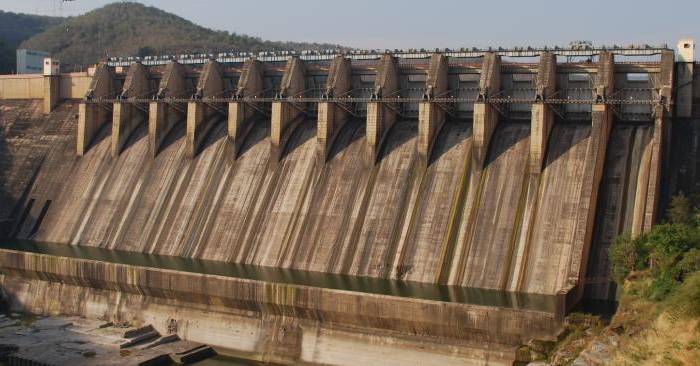
Thiruvananthapuram: The Kerala government has introduced stringent construction regulations around reservoirs managed by the Water Resources Department, categorizing the surrounding areas into two distinct zones.
The first zone, termed the buffer zone or Category One, extends up to 20 meters from the reservoir’s maximum water level. In this area, new constructions are strictly prohibited to ensure the safety and structural integrity of the dam. The second zone spans from 20 meters to 100 meters beyond the buffer zone and permits construction under stringent conditions that prioritize dam safety.


Issuance of No Objection Certificates (NOCs) for constructions is now under the purview of the dam’s Executive Engineer. These regulations fall within the framework of Kerala panchayat building rules since all dams under the Water Resources Department are located in panchayat jurisdictions.
Previously, constructions were allowed within 10 meters of dams. However, this was revised following the Central Dam Safety Act of 2021. A committee initially formed to oversee this matter has been replaced by new guidelines. Additional restrictions are already in place for dams under the Kerala State Electricity Board (KSEB), with limits extending up to 200 meters for Idukki and 60 meters for other dams.
Prohibited structures include factories, hospitals, educational institutions, commercial buildings, and those exceeding 10 meters in height. Furthermore, mining and waste disposal activities are banned. Permitted constructions, such as residential buildings, resorts, and hotels, must adhere strictly to safety protocols. These measures aim to balance development needs with the critical importance of dam safety and environmental protection.