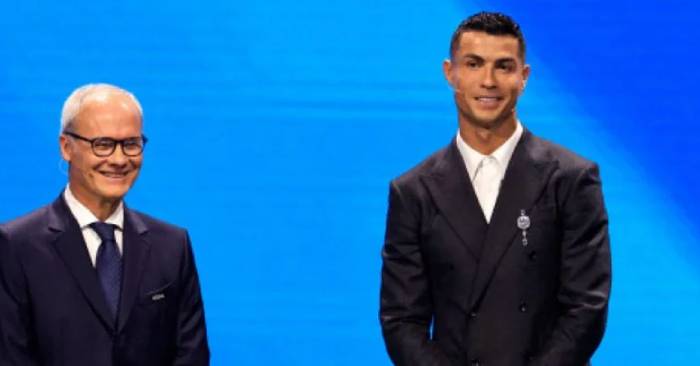
Monacco: UEFA has introduced a revamped Champions League format that meets the growing demands of Europe’s top clubs. After years of pressure from club officials for more competitive matches and higher revenues, UEFA has implemented a single-standings league phase, replacing the traditional group stage. This marks the first major change in the Champions League format since 2003.
The new format, which debuted with a draw on Thursday, features an expanded lineup of 36 teams, each guaranteed at least eight matches, up from six in the previous system. This shift also introduces Champions League fixtures in January for the first time, significantly increasing the number of games played and, consequently, the prize money. The prize pool is set to rise by at least 25%, with a minimum of €2.5 billion ($2.8 billion) on offer.


This new format will see iconic rematches, such as Real Madrid facing Liverpool and Borussia Dortmund, with Manchester City taking on Inter Milan, and Bayern Munich hosting Paris Saint-Germain. These high-stakes games are part of UEFA’s effort to create a more engaging and lucrative competition, offering more variety and intensity than the repetitive nature of the old group stage.
Under the new system, the top eight teams in the league standings will advance directly to the round of 16, while teams ranked 9th to 24th will enter a knockout playoff round in February. The bottom 12 teams will be eliminated. This structure ensures that clubs play against a broader range of opponents, increasing the competition’s appeal to global audiences and broadcasters.
The motivation behind these changes is clear: clubs sought more revenue opportunities and more prestigious matches against top-tier opponents. The traditional group stage was often criticized for its predictability and lack of excitement. By adding more games and featuring stronger opponents, UEFA aims to enhance the competition’s global appeal and satisfy the demands of Europe’s wealthiest clubs.
This overhaul also serves as a response to the failed Super League project, which highlighted the clubs’ desire for greater control over their fixtures and revenues. Although the Super League collapsed within 48 hours due to widespread backlash, its influence is evident in the new Champions League format.
As the competition expands to 189 games from 125 in the previous two decades, concerns arise about player fatigue and the increasing demands on fans’ time and money. However, the financial benefits for participating clubs, particularly in terms of global exposure and brand building, are undeniable.
UEFA’s adjustments ensure that the Champions League remains the pinnacle of club football, offering more matches, higher stakes, and greater financial rewards, all while addressing the growing needs of Europe’s elite clubs.