The Canadian government’s recently announced 2025-2027 Immigration Levels Plan aims to slow the country’s population growth temporarily, marking a minor decline in the nation’s population in 2025 and 2026. This historic shift, as outlined by Immigration, Refugees, and Citizenship Canada, will produce a projected population decrease of 0.2 percent over these two years, with an anticipated recovery to 0.8 percent growth by 2027.
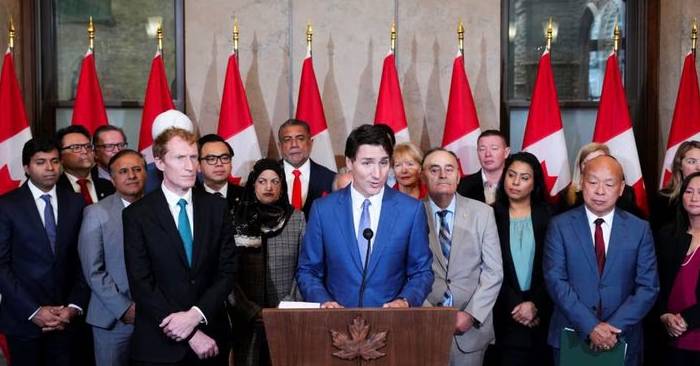
In response to critiques over high immigration targets, Prime Minister Justin Trudeau announced that Canada will revise its immigration targets. Originally set to accept 500,000 permanent residents annually, Canada will now welcome 395,000 newcomers in 2025, reducing this to 380,000 in 2026 and 365,000 by 2027. This reduction, affecting multiple immigration streams, is expected to allow for adjustments in temporary and permanent resident inflows as well.


Canada’s recent population growth has been driven primarily by immigration, with 98 percent of the 41 million population attributed to new arrivals. Temporary residents, including students and foreign workers, accounted for a substantial 60 percent of 2023’s increase. The new immigration plan introduces dedicated targets for temporary and permanent resident categories, addressing the rising concerns about sustainable population management and housing resources while balancing immigration’s role in Canada’s economic and demographic future.
This revised approach signals Canada’s balancing act between supporting economic needs and managing infrastructure pressures brought on by rapid population growth. By setting specific targets for both temporary and permanent residents, the government aims to maintain its commitment to immigration while addressing domestic concerns about housing, healthcare, and job availability. As Canada navigates this transitional period, the adjusted targets underscore a shift towards a more controlled and sustainable population strategy, positioning the country to resume growth from 2027 onwards with a focus on long-term resilience and resource planning.