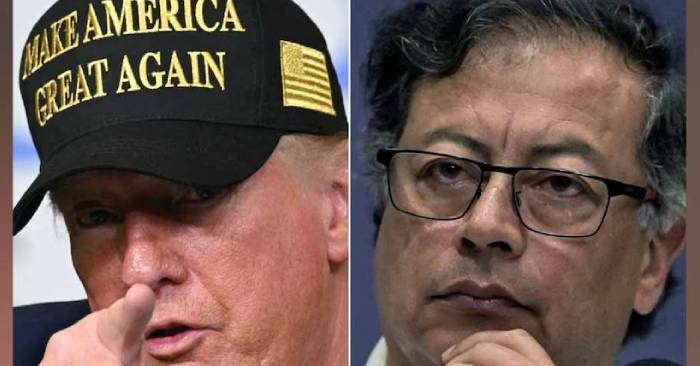
The diplomatic relationship between Colombia and the United States has entered a period of heightened tension following Colombia’s refusal to accept deportation flights carrying migrants on US military aircraft. This decision, part of a broader crackdown on immigration under US President Donald Trump’s administration, has triggered swift and severe retaliatory actions.
The United States announced an array of punitive measures, including a 25% tariff on Colombian imports, a travel ban on Colombian officials, and financial sanctions. These tariffs could increase to 50% within a week. Additionally, enhanced border inspections for Colombian goods and nationals have been implemented. Trump criticized Colombia’s stance, stating that it undermines US national security, and vowed further actions to ensure compliance.


Colombian President Gustavo Petro responded by threatening a 50% tariff on US imports and emphasizing the country’s willingness to repatriate migrants on civilian aircraft rather than military ones. Petro condemned the treatment of deported migrants, asserting that Colombia would not replicate such practices.
The escalating dispute comes at a time when the US remains Colombia’s largest trading partner, with bilateral trade amounting to $33.8 billion in 2023. Major Colombian exports to the US include crude oil, coffee, and gold, while the US supplies petroleum products, corn, and aircraft to Colombia. Analysts warn that the sanctions could have a significant economic impact, as approximately one-third of Colombia’s exports depend on the US market.
This confrontation highlights a growing regional pushback against the US administration’s immigration policies. Other nations, including Mexico and Brazil, have also expressed discontent over deportation practices. As the situation evolves, it underscores the challenges of balancing international relations, domestic policies, and human rights considerations in a politically charged environment.