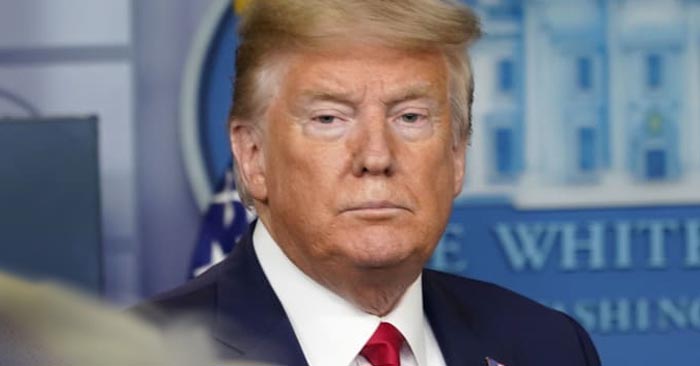
Washington: As Donald Trump prepares for his second term, experts are raising alarms over a likely surge in misinformation, particularly regarding politics, health, and climate science. The former president’s past endorsements of disputed claims, along with expected cabinet picks who may question scientific consensus, are fueling worries about the rise of misleading narratives. In the final stages of the 2024 campaign, Trump made numerous unverified claims on topics like voter fraud, weather manipulation, and COVID-19 vaccine risks, which quickly gained traction online through social media influencers and partisan websites.
Bill Adair, a Duke University professor and founder of the fact-checking site PolitiFact, expressed concern that current tactics like fact-checking are “clearly not working” due to platforms’ hesitance to moderate content from politicians. Studies from NewsGuard highlight the vast network of websites and social media accounts sharing misinformation during the 2024 election, with over 1,200 partisan sites posing as neutral news sources. Misinformation researcher Renee DiResta notes the right-wing media ecosystem’s use of “small batch” propaganda, which allows unfounded narratives to transition rapidly across different media spheres and reach broader audiences.


There are additional fears that Trump’s ties with vaccine skeptic Robert F. Kennedy Jr. could influence public health policy. Arizona Representative Alma Hernandez raised concerns on social media about Trump considering Kennedy, who has long promoted anti-vaccine views, for a health-related position. Trump’s first term included significant changes to government websites, with scientific data on climate change and environmental issues often removed, actions that the Union of Concerned Scientists warns could continue.
The return of Trump’s administration could also create new challenges for journalists. With media criticism at an all-time high, some fear journalists may face increasing hostility, limiting their ability to cover the administration. Social media’s role in misinformation has intensified under Elon Musk’s ownership of X (formerly Twitter), which has come under fire for amplifying unverified content. Some watchdogs, like Media Matters’ Matt Gertz, suggest that a network of right-wing media is a significant factor in Trump’s public support, and experts like UNC’s Daniel Kreiss warn of a breakdown in fact-checking, which could lead to unchecked misinformation and threats to democratic norms.