
The Dhaka High Court has declined a petition seeking a ban on the activities of the International Society for Krishna Consciousness (ISKCON) in Bangladesh, stating that the government has already taken adequate measures. The petition, filed by lawyer Md Monir Uddin, cited rising communal tensions, particularly after the arrest of ISKCON leader Chinmoy Krishna Das Brahmachari. It also called for the imposition of Section 144 in Chattogram, Rangpur, and Dinajpur to prevent potential unrest.
During the hearing, Attorney General Mohammad Asaduzzaman referred to ISKCON as a “religious fundamentalist” organization and suggested it should be banned. He assured the court that the government was actively monitoring the group’s activities. Meanwhile, minority communities, particularly Hindus, continue to face violent attacks, with another temple being vandalized in Chattogram this week. Hindu activists have renewed calls for stronger legal protections and the establishment of a minority affairs ministry.


Extremist groups in Bangladesh have escalated their rhetoric, labeling ISKCON a terrorist organization and issuing death threats against its devotees. The attacks on minorities have reportedly intensified since Sheikh Hasina’s government lost power.
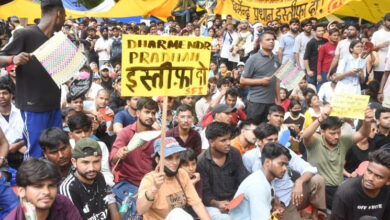
India has condemned the arrest of Chinmoy Das and urged Bangladesh to ensure the safety of minority communities. However, Bangladesh’s foreign ministry responded by warning India not to interfere in its domestic affairs. Protests continue across Bangladesh, with demonstrators demanding justice for Hindus, the release of Chinmoy Das, and intervention from Indian Prime Minister Narendra Modi.
This situation underscores the persistent challenges faced by religious minorities in Bangladesh amid heightened communal and political tensions.