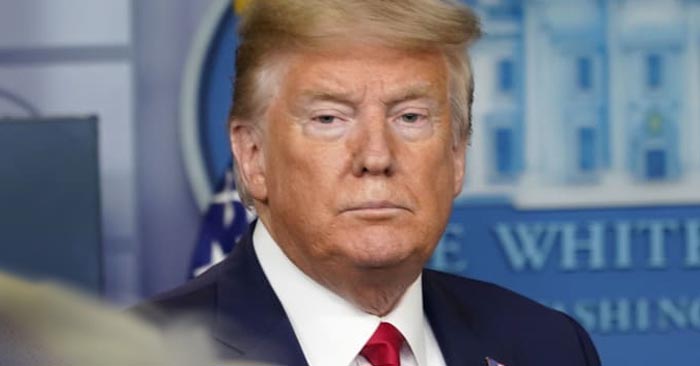
In a historic first, President-elect Donald Trump is set to be sentenced on January 10 in his hush money criminal case, marking him as the first U.S. president-elect convicted of a felony. Despite the conviction, Manhattan Judge Juan M. Merchan has confirmed that Trump will receive an unconditional discharge, sparing him from jail time, fines, or probation.
The case revolves around allegations that Trump orchestrated a payment to adult film actor Stormy Daniels during his 2016 campaign to suppress claims of an affair. Trump has consistently denied the allegations and maintained his innocence.


Judge Merchan rejected Trump’s bid to dismiss the case on the grounds of presidential immunity, emphasizing that upholding the jury’s verdict and ensuring equality under the law takes precedence. In an 18-page ruling, Merchan stated, “This court is not persuaded that [Trump’s] ability to govern outweighs other critical interests at this stage of the proceedings.”
Trump’s legal team had argued that the conviction would hinder his presidency, but prosecutors proposed accommodations, such as a no-jail sentence or a freeze on the case during his term. The conviction stems from Trump’s May trial, where he faced 34 counts of falsifying business records tied to hush money reimbursements to Michael Cohen, his former attorney. Cohen testified that the repayment plan was discussed during Trump’s first term.
This sentencing, just ten days before Trump’s January 20 inauguration, sets an unprecedented tone for his return to the White House. Although the conviction does not legally bar Trump from assuming office, it adds significant complexity to his presidency. As the sentencing approaches, Trump’s legal team is expected to appeal, though New York law mandates sentencing to occur before an appeal can proceed.
This case, coupled with Trump’s other legal battles, highlights the challenges surrounding his political comeback and underscores the historic nature of his presidency.