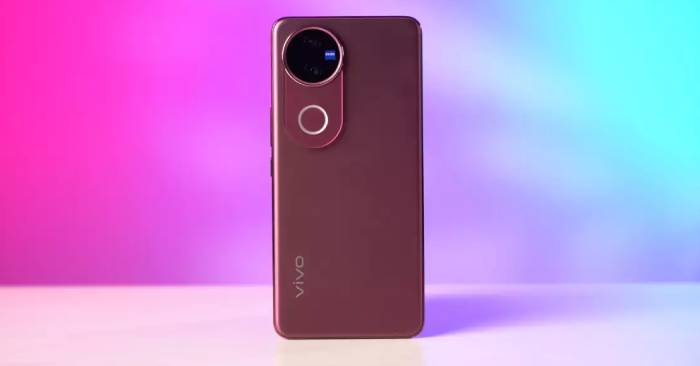
The Vivo V50, the latest addition to this lineup, comes equipped with Zeiss-tuned cameras and is priced at ₹34,999. But while it excels in mobile photography, it does make some compromises in other areas. Let’s dive into the details.
Camera Performance
If you’re considering the Vivo V50, chances are it’s for its camera capabilities. The phone boasts:


A 50MP OV50E main camera
A 50MP ISOCELL JN1 ultra-wide camera
Both sensors are fine-tuned by Zeiss to enhance color accuracy and detail. The primary camera delivers crisp images with strong contrast and a wide dynamic range. However, the colors lean toward the more vibrant side, which many users prefer. The portrait shots are particularly impressive, thanks to Vivo’s advanced edge detection and bokeh effects.
Unlike Vivo’s premium X-series models, the V50 lacks Zeiss’s T* coating, making lens flare noticeable in bright lighting. While some may use this for artistic shots, it can be a drawback in everyday photography. Additionally, the absence of a telephoto lens is a letdown, especially since competing phones like the Motorola Edge 50 Pro and OnePlus Nord 4 include one.
Despite this, Vivo does provide flexibility in portrait mode with 23mm, 35mm, and 50mm focal lengths, giving users different framing options. The low-light performance is also solid, with minimal noise and well-exposed subjects. The phone features an Aura Light system, which is 150% brighter and softer than its predecessor, helping in night photography.
One major issue, however, is the long image processing time. While capturing images, the phone takes 5-8 seconds to process them, especially in outdoor or high-detail conditions. This can be frustrating for users who frequently take multiple shots.
Performance and Hardware
The Vivo V50 is powered by the Qualcomm Snapdragon 7 Gen 3 chipset, paired with 12GB LPDDR4X RAM and 128GB UFS 2.2 storage. Performance-wise, it falls behind its competitors due to the aging chipset.
While it handles everyday tasks like browsing, video playback, and social media smoothly, it struggles with demanding applications like video editing and heavy gaming. The phone is not designed for power users, and benchmark scores are significantly lower than rivals in the same price segment.
This outdated processor also impacts camera performance, contributing to the slow image processing speeds mentioned earlier. If Vivo wants the V series to compete better, an upgraded chipset in future iterations is essential.
Design and Display
The design of the Vivo V50 follows the aesthetic of its predecessor, the V40, but introduces a quad-curved display instead of curved sides. The 6.77-inch AMOLED panel offers a 120Hz refresh rate, deep blacks, and vibrant colors, making it ideal for content consumption. Additionally, with 4500 nits of peak brightness, outdoor visibility is excellent, even under direct sunlight.
A standout feature is the IP69 rating, which ensures superior protection against dust and water, making it one of the most durable phones in this segment. The in-display fingerprint scanner is responsive, though not an optical scanner.
Battery and Charging
One of the biggest upgrades is the 6000mAh battery, up from 5500mAh in the Vivo V40. The phone delivers an impressive 9 to 9.5 hours of screen-on time on a single charge, which is commendable given its slim form factor.
Charging is also quick, with 90W fast charging that takes the device from 0 to 100% in about an hour. However, the lack of wireless charging is a minor drawback for some users.
Final Verdict
The Vivo V50 is a camera-centric smartphone that excels in mobile photography, but it makes compromises that prevent it from being an all-rounder. The missing telephoto sensor, aging processor, and slow image processing make it hard to justify at its launch price.
However, its impressive portraits, low-light photography, solid battery life, and IP69 rating make it a unique offering in its category. If photography is your priority, it’s a good option—but waiting for a price drop or sale might be a smarter move. For those looking for a more balanced device, the Vivo V40 Pro (₹41,399) might still be a better alternative.