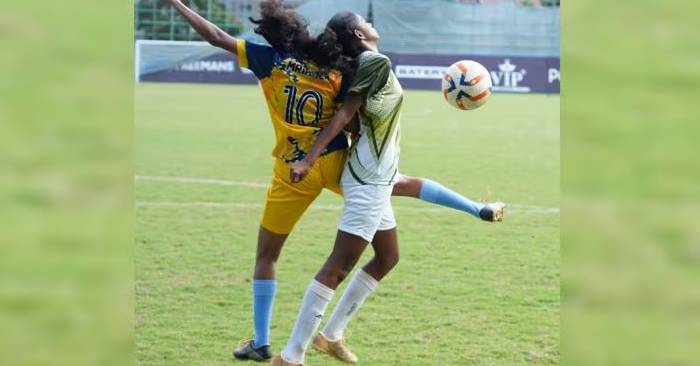
The Kerala School Games have brought student-athletes from across the state to compete, but the intense scheduling of matches is taking a toll on players’ health, particularly in football. The senior boys’ quarterfinal game between Kasaragod and Ernakulam on Saturday saw yet another injury when a defender had to be carried off the field with an apparent ligament tear. He was taken to the hospital after initial on-site treatment from the medical team, adding to a growing list of injuries recorded in a notebook dedicated to documenting such cases. As of November 9, there were already 77 injuries noted, with the first day of boys’ games alone recording 81 injuries and at least 50 more during the girls’ matches held earlier that week.
Medical staff at the event highlighted that while some injuries were due to routine contact on the field, there was also a worrying frequency of muscle strains, sprains, and fatigue-related injuries. According to an attending medic, the lack of adequate recovery time between matches, especially under tight scheduling constraints, contributed to the problem. One team member pointed out that many players, who typically train on smaller pitches, find it challenging to adapt to regulation-sized fields without proper rest. The added strain has reportedly led to injuries like hamstring strains, groin pulls, and ankle sprains.


The Kerala Football Association (KFA), which was not involved in scheduling or organizing, noted that spacing matches across a week, as they do in other age-group tournaments, could have lessened injury risks. Nonetheless, an official on the organizing committee defended the event’s timeline, noting that match breaks were provided, but the competition had to be completed by November 10 due to schedule constraints. With 25 games squeezed into six days, some of which occurred at noon, the demanding pace of the event has raised concerns about player welfare. Coaches and team members believe a more extended schedule, with each team given up to 36 hours to recover, would create a safer, more effective environment for young athletes to showcase their skills while protecting their health.